

Resources
COPING ADVICE
HELPFUL EXTERNAL WEBSITES
“Making sure no teen feels alone by providing immediate, easy-to-find mental health support ”

Find Your Way (Marin 9-25) provides a youth-made digital resource guide where you can access immediate resources on topics like mental health, substance use and recovery, sexual health, basic needs, immigration support, hotlines, and more.
Click here to access the link to the FYW resource guide
32% of 11th graders in Marin report chronic feelings of sadness and hopelessness in the last 12 months compared to the 22% of 9th graders who answered the same question
33% of Marin teens reported the use of alcohol and drugs in the last 30 days compared to 11% statewide
How does substance abuse relate to mental health?
Marin teens are experiencing both high levels of psychological distress and concerning rates of alcohol and drug use, showing why the relationship between stress, anxiety, and coping deserves attention. By giving teens a place to share their experiences and learn from others facing similar challenges, Marin Mind Matters can help reduce isolation and increase awareness of healthier ways to cope. This connection can create a positive domino effect: more awareness/destigmatization can lead to less isolation, healthier coping, and ultimately create a stronger community.
"With Marin County’s high-achieving culture ingrained by financial success, students’ desire to succeed academically can become consuming. Substances such as alcohol and tobacco act as comfort tools, leading teenagers to consistently turn to drugs instead of healthier coping mechanisms,” (Noa Michel).
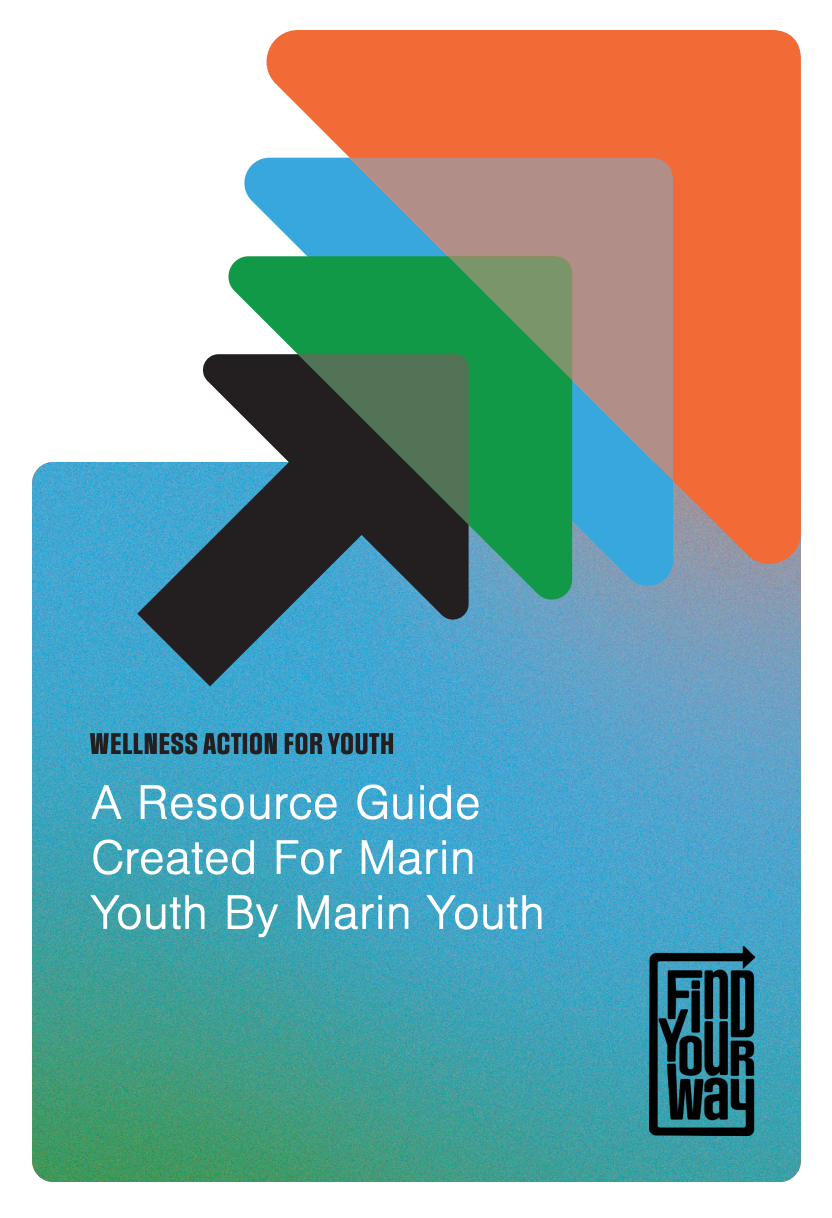
Find Your Way has created a printed resource guide designed for Marin County youth.
"AS TEEN PEER WELLNESS ADVOCATES, we’ve come together from across the county to talk about what it’s like to be a young person in Marin today. Growing up in Marin, we all experience the good things alongside the not so good things. But what do you do when you need extra support? We’ve developed the Find Your Way campaign and resource guide to encourage all of us to seek helpful, reliable, and accessible resources and connection in our community." (Find Your Way resource guide)
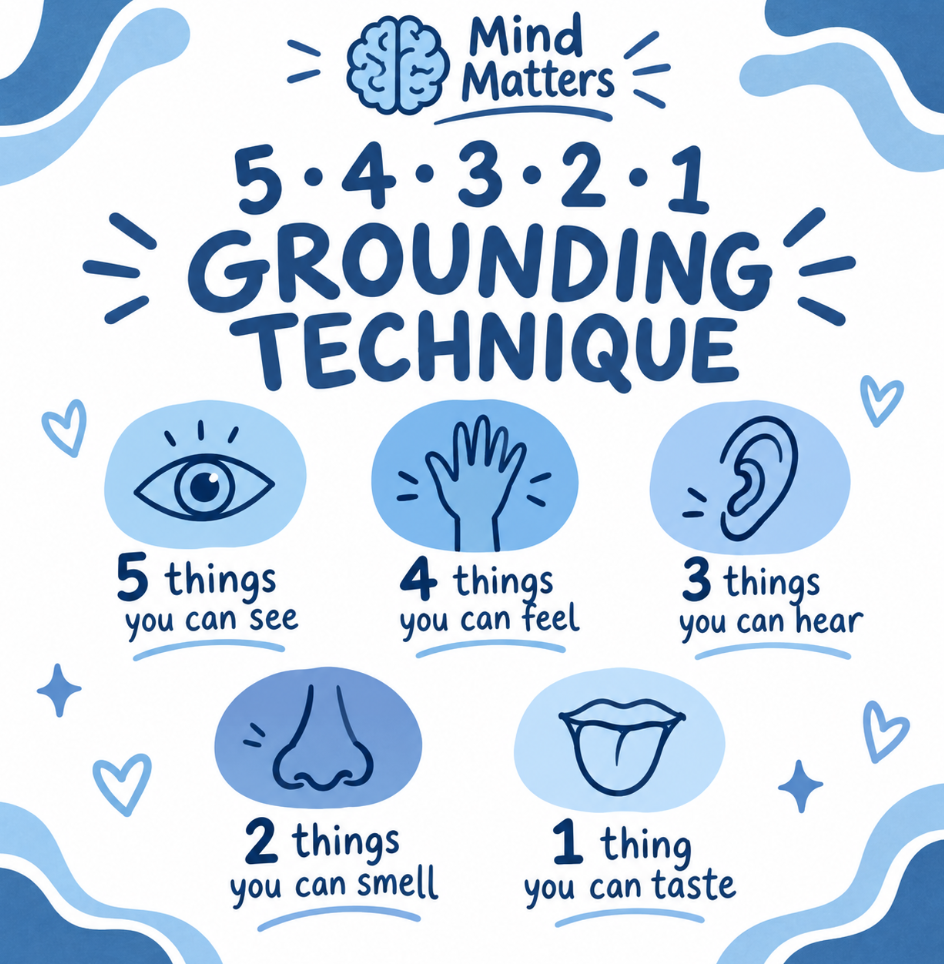
In the moment:
When you’re feeling overwhelmed
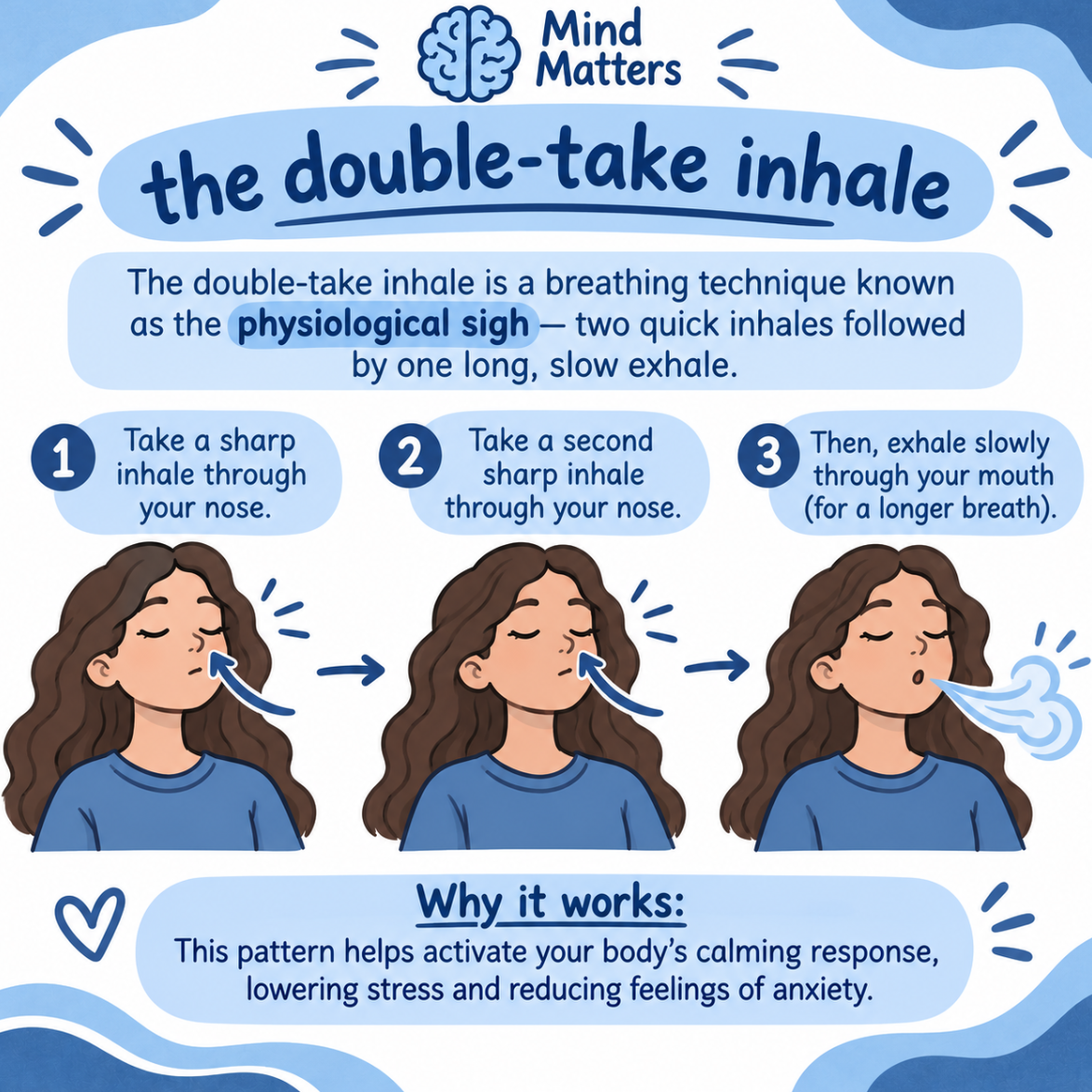
Common coping mechanisms for mental health issues:
-Talking to friends or family: sharing what's going on can help you feel supported and less alone–even if it can originally take courage, it can prevent larger issues and significantly benefit you. (National Alliance on Mental Illness)
-Exercise: Walking, running, dancing, sports, or working out can improve mood and reduce stress. (National Institute of Health)
-Journaling: Writing down thoughts and feelings can help you process your emotions and serves as an outlet to become more self-aware. (Bloomington Meadows Hospital)
-Listening to music/taking a step back: Music can help calm you down, energize you, or help you feel understood. Unplugging from screens or distractions and taking time to think and lowers anxiety from endless information streams you see through media. (National Institute of Health and (Addictions Training Institute)
-Deep breathing/meditation: These techniques can reduce anxiety and can help regulate emotions (Pennsylvania Psychiatric Institute)
Less common/unique ways of dealing with stress/mental health problems:
-Helping someone: "engaging in acts of kindness triggers the release of feel-good brain chemicals—such as serotonin, dopamine, and oxytocin—which can lower blood pressure and create a "helper's high" characterized by a sense of calm," (Mental Health America)
-Finding something you're passionate about: When you do things you care about, these activities lead to cognitive flow and mindfulness which helps individuals focus on things other than negative thought loops and daily pressures that cause them stress/anxiety. (University of Behavioral Health)
-Creating something with your hands: exercising activities like ceramics, knitting, gardening, drawing, or other hands-on activities can shift anxious energy into tangible output. (University of Florida)
-Changing environments: Can reduce stress, improve mood, and give your mind a fresh perspective. Even small changes can make a difference. (University Medical Center)
-Practice naming your emotions out loud: Labeling your feelings directly can benefit your mental health because it acts as a "yellow light" and slows down emotional responses making them less prominent (Bronson Health)